


Why Lithium Batteries Catch Fire
Lithium-ion batteries have become the core energy storage technology powering modern eBikes, electric scooters, golf carts, power tools, AGVs, medical devices, and countless smart applications. Their high energy density, lightweight structure, and long cycle life make them essential to the global shift toward electrification. However, with this rapid adoption comes an equally important concern: fire safety.
In recent years, several high-profile battery fire incidents around the world have raised awareness and pushed manufacturers, distributors, and users to ask a crucial question:
Why do lithium batteries catch fire, and how can we effectively prevent it?
As a leading lithium battery solution provider with over 12 years of engineering experience, Shenzhen First Power Energy Co., Ltd. (FirstPower) publishes this in-depth analysis to help global buyers, eBike brands, OEMs, and industrial equipment manufacturers understand the real risks behind battery fires—and how to avoid them through proper design, manufacturing, certification, and usage practices.
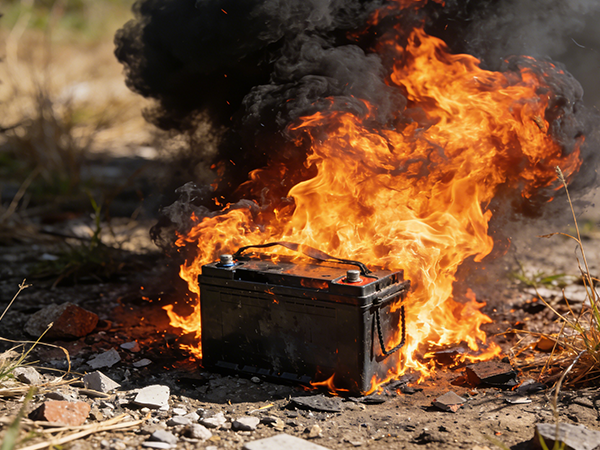
1. Why Lithium Batteries Catch Fire: The Scientific Mechanism
Lithium-ion batteries store a large amount of energy in a compact structure. When problems occur, they may enter a dangerous condition known as thermal runaway. Thermal runaway means a rapid, uncontrollable increase in temperature that may lead to smoke, fire, or explosion.
1.1 Internal Short Circuit
Internal shorts are the No.1 trigger of thermal runaway. They occur when:
The separator is damaged.
Manufacturing defects cause metal particles inside the cell.
The electrode structure collapses after physical impact.
Once the anode and cathode directly contact each other, instant heat is generated, accelerating reactions inside the cell.
1.2 External Short Circuit
If a battery’s terminals are accidentally bridged by metal tools, conductive debris, or damaged cables, an external short circuit occurs. This causes:
Rapid current flow
Overheating
Potential melting of wiring or cell casing
Without proper protection circuits, this becomes extremely dangerous.
1.3 Overcharging
Charging beyond the battery’s rated voltage causes:
Lithium plating
Gas formation
Internal pressure build-up
A poorly designed or uncertified charger often causes this issue. Once the cell swells or vents, fire risk increases dramatically.
1.4 Physical Damage or Puncture
Drops, collisions, and punctures can directly compromise the separator or internal structure.
This is why high-quality electric bicycle batteries, AGV batteries, and energy storage packs require:
Drop tests
Vibration tests
Crush and nail penetration tests (UN38.3)
to ensure structural integrity.
1.5 High Temperature Environment
Exposure to heat accelerates chemical reactions and deteriorates the battery’s electrolyte.
Dangerous conditions include:
Leaving an eBike under direct sunlight
Charging near flammable materials
Using batteries inside unventilated spaces
Once the internal temperature reaches around 80–100°C, runaway becomes possible.
1.6 Poor BMS (Battery Management System) Design
A low-quality or outdated BMS fails to prevent:
Overcurrent
Overcharge
Over-discharge
Cell imbalance
This is why FirstPower emphasizes smart BMS with multiple redundant protections, a crucial factor in preventing fire hazards.
2. Real-World Causes Behind Battery Fire Accidents
Although thermal runaway is the scientific cause, most real accidents come from practical mistakes or substandard manufacturing.
2.1 Use of Fake or Recycled Cells
Many low-cost factories use:
Recycled 18650 or 21700 cells
Brand-labeled “fake” cells
Low-grade Class B or Class C cells
These cells have unstable internal chemistry and highly inconsistent performance. Many fires in Europe and Southeast Asia originate from these risks.
2.2 Lack of Waterproof Protection
Moisture entering a pack may cause corrosion or short circuits. This problem appears especially in:
eBikes used in rainy regions
Outdoor AGV robots
Marine batteries
Delivery scooters
To prevent this, FirstPower applies IP65–IP67 waterproof sealing, internal glue-potting, and structural reinforcement pillars.
2.3 Improper Charging Behavior
Real-world misuse accounts for over 30% of battery fires:
Using non-original chargers
Charging overnight
Charging immediately after heavy riding
Charging in closed or hot areas
A safe battery pack must tolerate user error, but good user education is equally important.
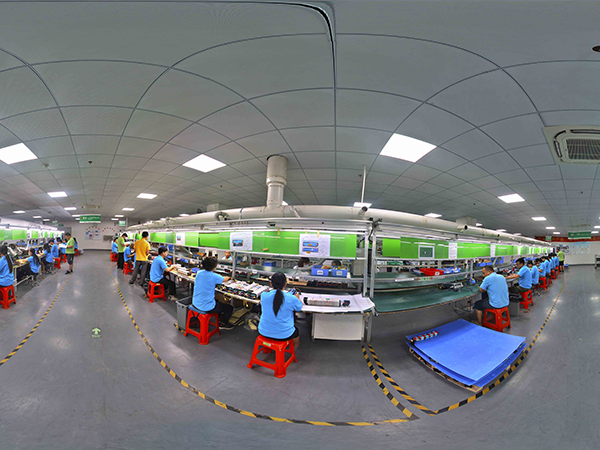
2.4 Poor Welding and Assembly Quality
Battery pack manufacturing involves:
Cell sorting
Nickel strip welding
BMS installation
Insulation protection
Aging tests
Factories without strict procedures often create:
Bad welds
Loose nickel connections
Insufficient insulation
Missing protective layers
Shenzhen First Power Energy strictly follows ISO9001, CE, UL2054, EN 62133, and UN38.3 requirements, ensuring every pack undergoes:
100% charge/discharge testing
Internal resistance inspection
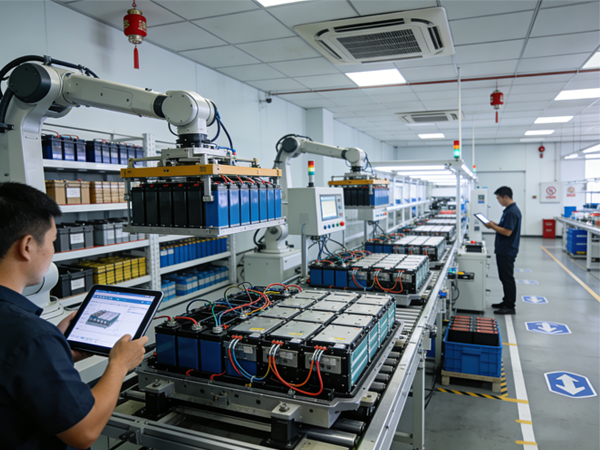
Automatic welding
High-temperature aging
These processes minimize fire risk from manufacturing defects.
3. How to Prevent Lithium Battery Fires: 2025 Safety Guidelines
Preventing lithium battery fires requires a holistic approach—from design to daily usage, from pack structure to certification.
Below are the most effective recommendations from Shenzhen First Power Energy’s engineering team.
4. Prevention During Battery Design & Manufacturing
4.1 Use High-Quality, Grade-A Cells
FirstPower sources only from:
LG
Samsung
Panasonic
EVE
CATL
BAK
High-grade cells reduce the risk of internal shorts and chemical instability.
4.2 Intelligent BMS with Redundant Protections
A professional BMS must include:
Overcharge protection
Over-discharge protection
Overcurrent protection
Short-circuit protection
Temperature sensors
Cell balancing
FirstPower’s BMS solutions use automotive-grade chips ensuring accurate voltage, current, and temperature monitoring.
4.3 Robust Structural Design
A safe battery pack requires:
Reinforced internal pillars (anti-compression)
Thickened outer casing
Anti-vibration foam
Fire-resistant insulation sheets
Spot-welding instead of soldering
Laser welding for busbars (for large packs)
These measures prevent damage during transportation or riding.
4.4 Waterproof and Dustproof Engineering
For outdoor or rugged applications, FirstPower designs:
IP65–IP67 housings
Glue-potting sealing
Rubber-ring gaskets
Anti-corrosion connectors
This prevents moisture-induced fires.
4.5 Strict Quality & Safety Testing
A battery pack must pass:
Overcharge test
Nail penetration test
Vibration test
Thermal shock
Drop test
Short-circuit test
High-temperature storage test
UN38.3 transportation test
FirstPower conducts over 12 layers of quality inspections, reducing the probability of fire by over 90%.
5. Prevention During Transportation and Storage
Even high-quality batteries may be at risk if stored incorrectly.
5.1 Avoid Heat and Direct Sunlight
Store batteries in:
Ventilated
Dry
Temperature-controlled environments
Ideal temperature: 15–25°C.
5.2 Maintain 30–60% State of Charge for Storage
Storing fully charged or fully discharged batteries may accelerate aging and increase internal resistance.
5.3 Use UN-Certified Packaging
FirstPower ships globally using:
UN carton
Anti-static bags
Foam-reinforced crates
MSDS documentation
This prevents mechanical shock and short circuits.
6. Prevention During Daily Use by Consumers
6.1 Use Only the Original or Certified Charger
Different chargers have different voltage and current profiles. A mismatched charger is a major fire hazard.
6.2 Do Not Overcharge
Avoid leaving the battery:
Charging overnight
Charging in closed rooms
Charging near combustible materials
6.3 Keep the Battery Dry
Never use or charge the battery when:
Wet
Exposed to rain
After passing through a flooded road
6.4 Inspect the Battery Regularly
If you see:
Swelling
Strange smell
Excessive heat
Cracks or deformation
Stop using the battery immediately.
6.5 Charge in a Safe Environment
Always charge in:
Ventilated rooms
Non-flammable surfaces
Away from beds, sofas, curtains
7. How Shenzhen First Power Energy Ensures Zero-Fire Production
FirstPower’s safety-oriented engineering philosophy includes:
7.1 Safe Chemistry Options
We offer:
LiFePO₄ (LFP): Ultra-safe and stable
NMC: High energy density with advanced BMS protection
7.2 Automated Production Line
Robotic welding improves consistency and eliminates manual welding defects.
7.3 100% Inspection Strategy
Every battery pack undergoes:
100% internal resistance test
100% aging test
100% charge/discharge cycle test
7.4 Global Certifications
FirstPower batteries meet:
UN38.3
CE
UL2054
UL2271 (for eMobility)
EN 15194 (eBike battery standard)
KC
PSE
MSDS
These certifications significantly reduce fire risks during real-world use.
8. Conclusion: Fire-Safe Lithium Battery Solutions for the Future
Lithium battery fires are not accidental—they are preventable. Fires usually come from:
Poor manufacturing
Wrong battery chemistry
Fake or recycled cells
Lack of waterproof protection
Missing BMS protections
Improper charging
With the right engineering, testing, and user education, battery fires can be reduced to nearly zero.
Shenzhen First Power Energy Co., Ltd. remains committed to building:
Safer
Smarter
More reliable
International-standard
lithium battery solutions for global markets. As electrification accelerates in 2025 and beyond, FirstPower continues to invest in fire-proof design, high-precision manufacturing, and stringent quality assurance—ensuring every battery delivered is stable, safe, and ready for long-term operation.
For OEM/ODM lithium battery cooperation, safety testing, or custom pack development, FirstPower welcomes global partners to contact and build a safer energy future together.

 E-mail


 +86 13510702894