


China Floor Cleaning Machine Lithium Battery Manufacturer: Custom Power Solutions for Cleaning Equipment
As commercial and industrial cleaning equipment becomes more widely used in warehouses, factories, shopping centers, airports, hospitals, hotels, and other facilities, reliable battery power has become an important part of equipment design.
Dongguan Yizhan Electronics Technology Co., Ltd. provides customized lithium battery solutions for floor cleaning machines, floor scrubbers, floor sweepers, cleaning robots, and other battery-powered cleaning equipment. Battery packs can be developed according to voltage, capacity, discharge current, installation space, operating time, charging requirements, and BMS functions.
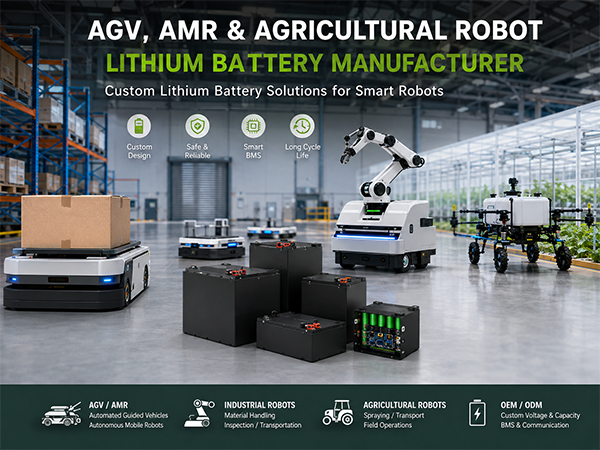
Lithium Batteries for Floor Cleaning Machines
Floor cleaning machines typically require batteries that can support electric motors, brushes, vacuum systems, water pumps, and other electrical components during extended operation.
Compared with traditional lead-acid batteries, lithium battery systems can provide a different combination of energy density, battery weight, charging characteristics, and maintenance requirements.
Depending on the equipment design, lithium battery solutions can be considered for:
Walk-behind floor scrubbers
Ride-on floor scrubbers
Floor sweepers
Commercial cleaning machines
Industrial floor cleaning equipment
Cleaning robots
Warehouse cleaning equipment
Autonomous cleaning machines
The battery specification should be selected according to the complete electrical system and actual operating conditions of the cleaning machine.
Custom Floor Scrubber Battery Solutions
Different floor cleaning machines have different battery installation spaces and power requirements. A standard battery may not always fit the equipment structure.
A customized floor scrubber lithium battery can be designed around specific requirements, including:
Battery voltage
Battery capacity
Continuous discharge current
Peak discharge current
Battery dimensions
Battery weight
Connector type
Wiring configuration
BMS protection functions
Communication interface
Charging requirements
Operating temperature
For example, the battery pack can be configured according to the machine's motor power and expected operating time, while the enclosure and mounting structure can be adapted to the available battery compartment.
LiFePO4 Battery for Floor Cleaning Equipment
LiFePO4, also known as lithium iron phosphate, is one of the battery chemistries that can be considered for industrial cleaning equipment.
When selecting a LiFePO4 battery for a floor scrubber or sweeper, equipment manufacturers should evaluate factors such as:
Required voltage
Required capacity
Discharge current
Operating temperature
Charging method
Battery dimensions
Expected usage frequency
BMS requirements
Total equipment weight
The appropriate battery chemistry depends on the specific equipment design. Battery selection should therefore consider the complete application rather than capacity alone.
BMS Functions for Cleaning Machine Batteries
The Battery Management System (BMS) is an important part of a lithium battery pack. It monitors battery operating conditions and provides protection functions during charging and discharging.
Depending on the battery design, a BMS may monitor:
Cell voltage
Pack voltage
Charging current
Discharging current
Cell temperature
Battery temperature
State of charge (SOC)
Fault conditions
Protection functions may include overcharge protection, over-discharge protection, overcurrent protection, short-circuit protection, and temperature protection.
For cleaning machines with intelligent control systems, the battery can also be configured with communication functions such as CAN, RS485, UART, or other protocols according to system requirements.
Battery Capacity and Operating Time
Battery capacity is closely related to the operating time of a floor cleaning machine, but actual runtime depends on several factors.
These can include:
Motor power
Brush motor load
Vacuum motor load
Water pump operation
Machine speed
Floor conditions
Cleaning mode
Battery discharge characteristics
Ambient temperature
Therefore, battery capacity should not be selected based only on the desired operating time.
During battery development, manufacturers can estimate energy consumption based on the equipment's electrical load and operating cycle, then determine an appropriate battery voltage and capacity.
Battery Design for Ride-On Floor Scrubbers
Ride-on floor scrubbers typically have higher power requirements than smaller walk-behind cleaning machines.
Their battery design may need to consider:
Traction motor power
Brush motor power
Vacuum motor power
Continuous operating time
Battery compartment dimensions
Charging frequency
Vehicle weight
Battery mounting structure
For these applications, the battery pack can be designed according to the available installation space and electrical architecture of the machine.
Lithium Battery Solutions for Cleaning Robots
Autonomous cleaning robots require additional battery considerations because the battery is integrated with the robot's control and navigation system.
A cleaning robot battery may need to provide power for:
Drive motors
Cleaning brushes
Vacuum systems
Sensors
Navigation systems
Control boards
Communication modules
For autonomous cleaning equipment, battery state information can also be integrated with the robot control system through a suitable communication interface.
This can allow the equipment to monitor battery voltage, current, temperature, SOC, and fault information.
Battery Manufacturing and Testing
Lithium battery pack manufacturing includes several stages to ensure that the finished battery meets its specified electrical and structural requirements.
Typical processes include:
Cell inspection and sorting
Cell configuration
Battery assembly
Welding
BMS installation
Electrical testing
Charging and discharging testing
Aging
Final inspection
Packaging
Testing procedures can include voltage, capacity, current, temperature, BMS protection, communication, insulation, and aging tests depending on the battery design and customer requirements.
OEM and ODM Cleaning Machine Battery Manufacturing
Cleaning equipment manufacturers may require battery packs with specific dimensions, electrical specifications, connectors, or communication functions.
OEM and ODM battery services can support customization of:
Voltage
Capacity
Battery dimensions
Cell configuration
Battery enclosure
BMS
Communication protocol
Connector
Wiring harness
Charging interface
Installation structure
This allows the battery pack to be developed according to the equipment manufacturer's existing electrical and mechanical design.
Lithium Battery Certifications
For cleaning equipment sold in international markets, battery manufacturers and equipment companies should identify applicable transportation and product requirements during the development stage.
Depending on the battery and destination market, requirements may include:
UN38.3
IEC 62133-2
CE
RoHS
UL-related requirements
EU Battery Regulation requirements
Certification and testing requirements vary according to product type, battery configuration, application, and target market. Early planning can help manufacturers identify the applicable requirements before mass production.
How to Choose a Floor Cleaning Machine Battery Manufacturer?
When selecting a lithium battery manufacturer for floor cleaning equipment, manufacturers can evaluate several factors.
1. Battery Customization Capability
Check whether the manufacturer can customize voltage, capacity, dimensions, connectors, BMS, and other specifications.
2. Cell Selection
The manufacturer should be able to evaluate different cell chemistries and specifications according to the machine's power requirements.
3. BMS and Communication
For intelligent cleaning machines and cleaning robots, BMS communication may be required for battery monitoring and equipment control.
4. Testing Process
Review the manufacturer's cell testing, battery assembly, aging, electrical testing, and final inspection processes.
5. Certification Support
Confirm whether the battery manufacturer can provide the testing and certification documents required for the target market.
6. OEM/ODM Development
For equipment manufacturers, customized battery development can be useful when standard battery packs do not meet the machine's installation or electrical requirements.
About Dongguan Yizhan Electronics Technology Co., Ltd.
Dongguan Yizhan Electronics Technology Co., Ltd. provides customized lithium battery pack development and manufacturing services for cleaning equipment, industrial equipment, AGV, AMR, robots, electric vehicles, medical equipment, and other applications.
The company provides OEM and ODM battery solutions with customization options covering voltage, capacity, battery structure, BMS, connectors, communication protocols, and other battery pack requirements.
For floor scrubbers, sweepers, cleaning robots, and other cleaning equipment, battery selection should be based on the complete machine design, including power consumption, operating time, installation space, charging requirements, environmental conditions, and control system requirements.
Frequently Asked Questions
What type of battery is suitable for a floor scrubber?
LiFePO4 and other lithium-ion battery technologies can be considered for floor scrubbers. The appropriate battery depends on the machine's voltage, capacity, discharge current, operating time, weight, installation space, and other requirements.
Can lithium batteries be customized for floor cleaning machines?
Yes. Battery packs can be customized according to voltage, capacity, dimensions, connectors, BMS functions, communication interfaces, and installation requirements.
How long can a floor scrubber operate on one battery charge?
Operating time depends on battery capacity and the machine's total power consumption. Motor load, cleaning mode, floor conditions, operating speed, and other factors can also affect actual runtime.
Can the battery communicate with a cleaning machine controller?
Yes. Depending on the equipment architecture, the battery BMS can support communication protocols such as CAN, RS485, or UART.
What information is needed to customize a cleaning machine battery?
Useful information includes battery voltage, capacity, continuous and peak current, operating time, charging method, battery dimensions, installation position, connector type, communication protocol, operating temperature, and machine power requirements.
Conclusion
Lithium battery selection is an important part of floor cleaning machine design. Different cleaning machines require different combinations of voltage, capacity, current, dimensions, BMS functions, charging characteristics, and communication interfaces.
For floor scrubbers, floor sweepers, cleaning robots, and industrial cleaning equipment, customized lithium battery solutions can be developed according to the electrical, mechanical, and operating requirements of the complete machine.

 E-mail


 +86 13510702894