


A Guide to Properly Maintaining Your eBike Battery for a Longer Lifespan
Electric bikes have quickly become one of the most popular personal mobility solutions around the world. Whether used for daily commuting, weekend adventures, or long-distance touring, eBikes offer unmatched convenience, energy efficiency, and fun. At the heart of every electric bicycle lies one critical component — the battery. Without a healthy and well-maintained battery, even the best eBike becomes unreliable, underpowered, or unusable.
A good lithium-ion or lithium iron phosphate (LiFePO4) eBike battery usually lasts 3 to 5 years. It can also handle 500 to 1,000 full charge cycles. With proper care, riders can make the battery last even longer.
Many early battery failures are not because of manufacturing defects. They often happen because of improper charging, bad storage habits, tough operating conditions, or not enough basic maintenance.
This guide shows you how to take care of your eBike battery. It helps improve performance, prevent damage, and get the most value for your money. No matter if you are a regular cyclist, eBike fleet operator, retailer, or manufacturer, these maintenance tips will help. They will keep your battery running safely and efficiently for years.
1. Understand Your eBike Battery: How It Works and Why Care Matters
Before discussing maintenance, it is important to understand what makes eBike batteries sensitive and why proper care is essential.
Most modern eBikes use advanced Lithium-ion or LiFePO4 batteries because:
They offer high energy density
They weigh significantly less than lead-acid batteries
They deliver stable discharge performance
They support hundreds of charge cycles
They are more environmentally friendly
However, lithium batteries are chemically active systems that require protection and proper handling. Overcharging, deep discharging, extreme temperatures, or physical stress can accelerate internal degradation.
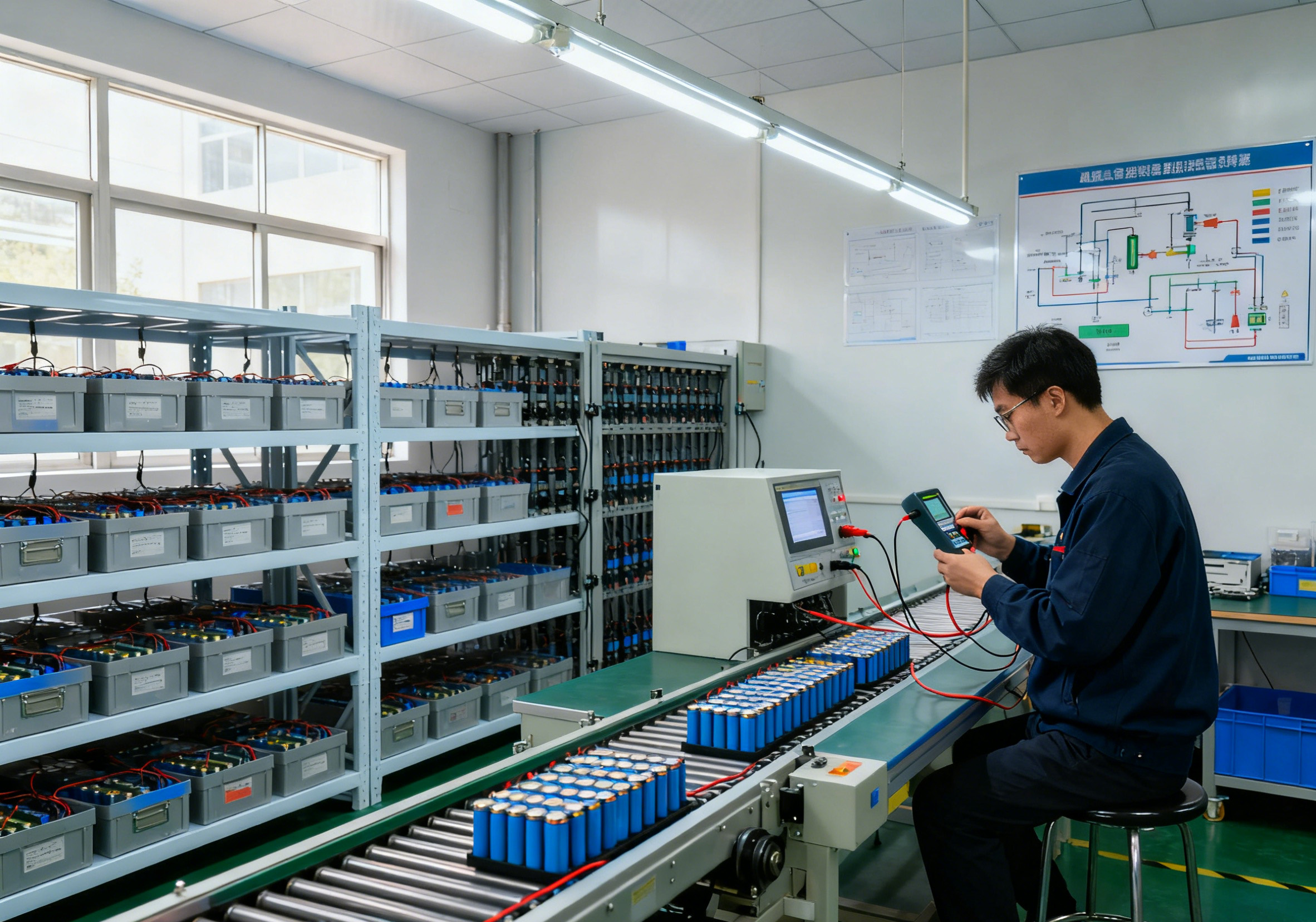
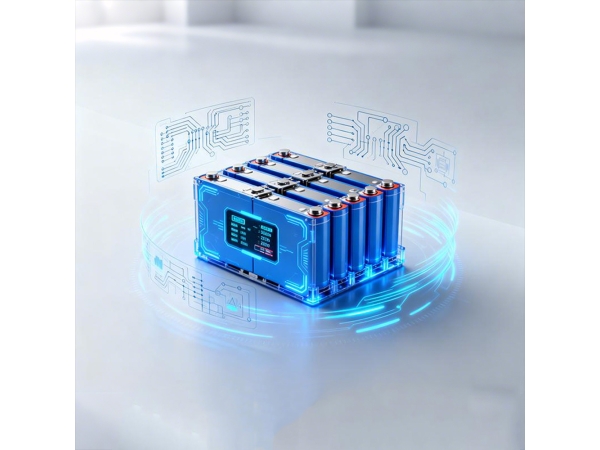
Each battery pack contains:
Battery cells (18650, 21700, or pouch types)
BMS (Battery Management System) to regulate voltage, protect from short circuits, and balance cells
Cooling and structural design to enhance safety and performance
To make the battery last longer, riders should see it as a precise energy storage system. It is not just a simple product to use up.
2. Charge Your eBike Battery Properly
Charging is the most important factor influencing battery life. Many users unintentionally shorten battery lifespan simply by charging incorrectly.
2.1 Use the Correct Charger
Always use the charger provided by the manufacturer. A charger with incorrect voltage or current may:
Overcharge cells
Damage the BMS
Cause overheating
Trigger protection and reduce usable capacity
When you replace a charger, make sure it has the same output voltage. For example, use 42V for 36V batteries and 54.6V for 48V batteries. Also, check that the current is appropriate.
2.2 Charge at Room Temperature
Optimal charging temperature range:
15°C–30°C (59°F–86°F)
Avoid charging:
When the battery is extremely cold
Immediately after riding (battery is still hot)
Under direct sun
Let the battery cool or warm to room temperature before charging.
2.3 Avoid Deep Discharge
Never drain your battery to 0%. Deep discharging stresses cells and reduces total cycle life.
Best practice:
Keep daily use within 20%–80%
Recharge before the battery hits 20–30%
If possible, avoid 100% unless planning a long ride
2.4 Do Not Leave the Battery at 100% for Long Periods
Storing a battery at full charge accelerates chemical aging.
If you charge overnight, use a timer or unplug early in the morning.
3. Store Your eBike Battery Correctly
Battery storage is another major factor that affects lifespan, especially during winter or long periods of inactivity.
3.1 Store at 40–60% Charge
Ideal battery storage charge: 40%–60%.
Never store:
Fully charged (100%)
Fully discharged (0%)
Check the charge every 30–60 days and recharge slightly if needed.
3.2 Keep the Battery in a Dry, Ventilated Environment
Storage conditions:
Temperature: 10°C–25°C (50°F–77°F)
Humidity: low
No direct sunlight
Avoid:
Garages with extreme heat
Outdoor sheds
Car trunks
Cold basements
3.3 Remove Battery During Long-Term Non-Use
If you don’t plan to ride for weeks or months, remove the battery from the eBike and store it indoors.
4. Protect Your Battery from Extreme Temperatures
Lithium batteries are sensitive to heat and cold.
High temperatures can cause:
Faster chemical aging
Swelling or damage
Reduced cycle life
BMS protective shutdown
Cold temperatures can cause:
Reduced discharge performance
Lower range
BMS low-temperature protection activation
Charging failure
Ideal usage temperature: 10°C–35°C.
Riding in Hot Weather:
Avoid leaving the battery in a parked eBike under the sun
Take the battery indoors whenever possible
If the battery feels hot after riding, cool it before charging
Riding in Cold Weather:
Store and charge the battery indoors
Pre-warm the battery by riding gently for 5 minutes
Never charge the battery outdoors in freezing temperatures
5. Keep Your Battery Clean and Dry
Moisture and dirt can cause electrical issues, corrosion, or damaged connectors.
Maintenance Tips:
Wipe the battery with a dry cloth after wet rides
Keep the charging port clean
Avoid spraying water directly into battery housings
Do not submerge the battery in water
Check for rust, dust, or debris in connectors
If your battery case is cracked or swollen, stop using it and contact a qualified service provider.
6. Regular Inspection and Safety Checks
Conducting routine battery inspections can prevent safety hazards and performance issues.
6.1 Check for External Damage
Inspect:
Battery casing
Wiring
Connectors
Mounting points
Waterproofing seals
If you see damage, avoid charging until inspected by a professional.
6.2 Monitor Performance
Warning signs that your battery may need servicing:
Rapid capacity loss
Sudden power cuts
Overheating
Unusual smells or noises
Battery not charging fully
Shortened riding range
Most issues can be detected early and repaired if caught in time.
7. Follow Manufacturer Guidelines and Use Quality Battery Packs
Not all eBike batteries are created equal. Using a well-designed, certified battery pack reduces maintenance problems and improves safety.
High-quality manufacturers such as Shenzhen First Power Energy Co., Ltd. and Dongguan Yizhan Electronics Technology Co., Ltd. use:
Grade-A lithium cells
Smart BMS with protection features
Reinforced casing
Enhanced waterproof structures
Strict quality control processes
Investing in a reliable battery not only improves performance but also ensures easier maintenance and longer lifespan.
8. Avoid Common Mistakes That Damage eBike Batteries
Below are the top mistakes eBike owners should avoid:
Leaving the battery in the eBike when parked outdoors long-term
Charging in extremely hot or cold environments
Using non-original chargers
Riding with a loose or vibrating battery
Allowing water to enter the battery housing
Storing the battery fully charged for months
Frequently draining the battery to 0%
Correcting these habits dramatically extends lifespan.
9. Tips to Maximize Daily Battery Range
Proper maintenance not only extends battery life but also improves riding distance.
Try these practices:
Use eco or low-assist mode when possible
Maintain proper tire pressure
Avoid rapid acceleration
Reduce unnecessary weight
Lubricate the chain regularly
Keep motor and controller well-maintained
A healthy battery, combined with efficient riding habits, gives you more miles per charge.
10. When to Replace Your eBike Battery
All lithium batteries eventually age. You may need a replacement when:
Capacity drops below 60–70%
Range becomes too short for daily use
Battery no longer holds charge reliably
BMS has recurring faults
Physical damage is present
When replacing, always choose a certified battery with proper voltage and capacity specifications.
Conclusion: Maintain Your Battery Now to Save Money Later
Your eBike battery is one of the most valuable components on your bicycle. With proper care, you can significantly extend its lifespan, ensure safety, and enjoy consistent performance for years.
By following the best practices in this guide, riders can keep their battery healthy. These practices include correct charging, temperature control, proper storage, routine cleaning, and regular inspections. This will help avoid costly replacements.
Top battery makers like Shenzhen First Power Energy Co., Ltd. and Dongguan Yizhan Electronics Technology Co., Ltd. provide strong, safe, and well-designed lithium battery packs. These packs make maintenance easier and improve long-term reliability.
Taking good care of your eBike battery today ensures a more enjoyable, economical, and sustainable riding experience tomorrow.



 E-mail


 +86 13510702894