


How to Choose a Battery Supplier for Energy Storage Projects
As global demand for renewable energy and energy storage systems continues to grow, selecting the right battery supplier has become a critical decision for project developers, EPC contractors, and distributors.
A high-quality energy storage battery is only as reliable as the manufacturer behind it. From product performance to long-term technical support, the supplier you choose directly impacts the success, safety, and profitability of your project.
As a professional lithium battery manufacturer, Shenzhen First Power Energy Co., Ltd. shares key insights on how to evaluate and select the best battery supplier for your energy storage projects.
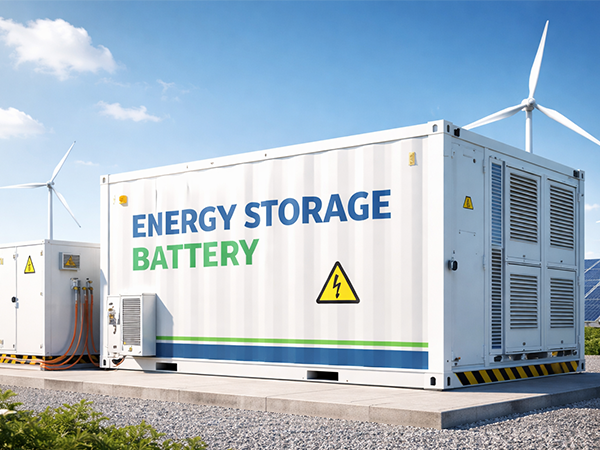
Why Choosing the Right Battery Supplier Matters
Energy storage systems are long-term investments. Poor supplier selection can lead to:
Performance instability
Safety risks
Shortened battery lifespan
Project delays
Increased maintenance costs
A reliable supplier ensures not only product quality but also system reliability and long-term return on investment (ROI).
Key Factors to Consider When Choosing a Battery Supplier
1. Battery Technology and Product Range
The supplier should offer advanced and proven battery technologies, such as LiFePO4 (Lithium Iron Phosphate) batteries, which are widely recognized for:
Long cycle life (4000–6000+ cycles)
High safety and thermal stability
High efficiency and low degradation
A strong supplier should also provide a wide product range, including:
Residential energy storage batteries
Commercial and industrial systems
High-voltage and low-voltage solutions
Modular battery systems
2. Manufacturing Experience and Expertise
Experience matters in battery manufacturing. Look for suppliers with:
Years of industry experience
Proven project cases
Strong R&D capabilities
In-house engineering teams
An experienced manufacturer can better understand project requirements and provide optimized solutions.
3. Quality Control and Testing Standards
Battery quality directly affects system safety and performance. A reliable supplier should have strict quality control processes, including:
Cell selection and testing
Battery pack assembly inspection
Capacity and performance testing
Safety and aging tests
Comprehensive testing ensures each battery meets international standards before delivery.
4. Certifications and Compliance
For global projects, certifications are essential. Ensure the supplier complies with international standards such as:
CE certification
UN38.3 for transportation
IEC standards
MSDS documentation
Compliance ensures smooth export, installation, and project approval.
5. Battery Management System (BMS)
A high-quality Battery Management System (BMS) is critical for:
Monitoring battery performance
Preventing overcharge and over-discharge
Ensuring temperature control
Extending battery lifespan
Suppliers with advanced BMS technology provide safer and more reliable energy storage systems.
6. Customization Capabilities (OEM & ODM)
Every energy storage project has unique requirements. A strong supplier should offer:
Customized battery design
Flexible capacity and voltage options
Branding (OEM services)
System integration support
Customization is especially important for large-scale or specialized projects.
7. Production Capacity and Delivery Time
Timely delivery is crucial for project execution. Evaluate:
Production capacity
Lead time
Supply chain stability
A supplier with stable production ensures your project stays on schedule.
8. Technical Support and After-Sales Service
Energy storage systems require ongoing support. Choose a supplier that offers:
Pre-sales technical consultation
Installation guidance
Remote troubleshooting
Warranty and after-sales service
Strong support reduces operational risks and improves system performance over time.
Why Choose Shenzhen First Power Energy Co., Ltd.
At Shenzhen First Power Energy Co., Ltd., we specialize in providing advanced LiFePO4 energy storage solutions for global customers.
Our Advantages:
✅ Over a decade of lithium battery manufacturing experience
✅ Advanced LiFePO4 battery technology
✅ Strict quality control and full testing process
✅ Custom battery solutions for residential, commercial, and industrial projects
✅ Integrated BMS for safety and performance
✅ Compliance with international standards
✅ Professional technical support and fast response
We are committed to delivering safe, reliable, and high-performance energy storage batteries tailored to your project needs.
Common Mistakes to Avoid
When selecting a battery supplier, avoid these common pitfalls:
Choosing based only on price
Ignoring certifications and compliance
Overlooking BMS quality
Not verifying supplier experience
Lack of after-sales support
A low-cost supplier may result in higher long-term costs and project risks.
Conclusion
Choosing the right battery supplier is one of the most important decisions in any energy storage project. By evaluating technology, quality, certifications, customization capabilities, and support services, you can ensure long-term system reliability and project success.
Partnering with an experienced manufacturer like Shenzhen First Power Energy Co., Ltd. allows you to build safe, efficient, and future-proof energy storage solutions.
FAQ
Q1: What is the most important factor when choosing a battery supplier?
A: Product quality and reliability are the most critical factors, followed by technical support and certifications.
Q2: Why are LiFePO4 batteries preferred for energy storage projects?
A: They offer longer lifespan, higher safety, and better performance compared to other battery types.
Q3: Should I choose OEM or standard battery products?
A: OEM solutions are recommended for projects with specific technical requirements.
Q4: How can I verify a battery supplier’s reliability?
A: Check certifications, factory capabilities, project cases, and testing processes.
Q5: Does after-sales support matter?
A: Yes, strong after-sales service ensures long-term system performance and reduces operational risks.

 E-mail


 +86 13510702894