


How to Prevent Fires Caused by Battery Storage?
Throughout the entire lifecycle of lithium-ion batteries, the "storage phase" is often the most overlooked yet risk-concentrated stage.
Based on years of manufacturing and application experience at A-Power, many battery safety incidents do not occur during use or charging, but rather stem from improper storage.
This article will systematically explain, from a manufacturer's perspective, the reasons why lithium-ion batteries may cause fires during storage and provide actionable, scalable, and manageable preventive measures.
I. Why are Batteries More Dangerous When Not in Use?
Many users have a misconception:
As long as the battery is not being used or charged, it is safe.
In fact, lithium-ion batteries still pose the following risks during storage:
Self-discharge leading to excessive discharge
Abnormal ambient temperature triggering internal reactions
Physical compression or stacking causing structural damage
BMS long-term standby consumption causing voltage to drop below the safety threshold
These factors, when combined, can create a fire hazard even in a "static state."
II. Correct Storage Charge Level: The First Line of Defense Against Fire
✅ Recommended storage charge level: 40%–60%
A-Power uniformly controls the storage charge level of lithium-ion batteries in its factory and warehousing standards to a medium charge range:
Too high charge level:
The battery cells are in a high-voltage state for a long time
Accelerated aging, increased risk of temperature rise
Too low charge level:
May enter over-discharge after self-discharge
Battery cell structure is damaged, stability decreases
40%–60% is the ideal state that balances safety and chemical stability.
III. Storage Environment Determines the Safety Limit
1. Temperature control is key
The ideal battery storage environment should meet:
Temperature: 10°C–25°C
Avoid direct sunlight and proximity to heat sources
Avoid long-term storage in high-temperature compartments, boiler rooms, or equipment rooms
High temperatures significantly increase the rate of internal side reactions and are one of the important causes of thermal runaway.
2. Humidity and ventilation cannot be ignored
High humidity may lead to terminal corrosion
Confined spaces are not conducive to the release of abnormal heat
It is recommended to store batteries in a dry, ventilated environment free of corrosive gases.
IV. Avoiding Physical Damage: The Bottom Line for Fire Prevention
In actual accident cases, compression, drops, and stacking of heavy objects are important causes of internal short circuits in batteries. Level 1 Power Recommendations:
Store separately or use a protective case.
Avoid heavy pressure, stepping on, or stacking indiscriminately.
Use cushioning and isolation structures during transportation and storage.
Even if the outer casing appears intact, internal damage may cause abnormalities during subsequent storage.
V. Long-term storage requires "regular activation"
Why regular checks are necessary:
Even when not in use, lithium batteries still experience:
Cell self-discharge
BMS static power consumption
If not checked regularly, the voltage may drop below the safe minimum.
Level 1 Power's recommended practice:
Check the voltage or charge level every 2–3 months.
If below 30%, replenish to the safe range promptly.
Check for bulging, unusual odors, or abnormal temperature increases.
VI. During storage, charging and use should be "taken slowly"
If the battery needs to be reactivated after storage:
Avoid direct high-current discharge.
Use the matching original charger for the first charge.
Charge and discharge in a normal temperature environment.
This effectively reduces the risk caused by uneven cell conditions.
VII. From the manufacturer's perspective: Safe storage requires "designing in advance"
In First Power's battery system design, we don't leave safety entirely to the user:
Setting reasonable undervoltage and overvoltage protection through the BMS
Optimizing standby power consumption to reduce long-term storage risks
Selecting cells with high consistency and strong thermal stability
Providing storage and maintenance guidance solutions in customized projects
We always believe that:
A truly safe battery is one that remains stable even "when not in use."
VIII. Conclusion
Battery fires are not accidental; most stem from avoidable storage problems.
Through proper power management, environmental control, physical protection, and regular checks, the risk can be significantly reduced.
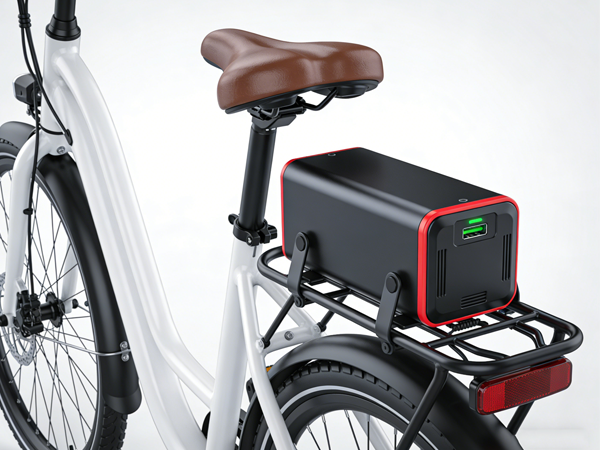
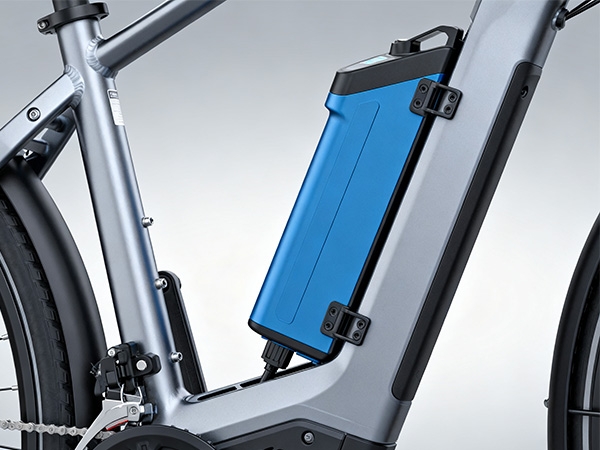
Level 1 Power is committed to providing safe, stable, and long-term collaborative lithium battery solutions for applications such as electric bicycles, energy storage systems, AGVs, and robots.
If you need customized batteries and safety solutions for warehousing, transportation, or long-term backup scenarios, please contact the First Power team.


 E-mail


 +86 13510702894